
Introduction
Living alone often means having the freedom to design a space that reflects your personal needs—comfort, functionality, and wellness all rolled into one. But even the coziest one-person setup isn’t immune to invisible pollutants in the air. From dust, pollen, and pet dander to mold spores and lingering odors, indoor air quality can affect everything from your sleep to your respiratory health. That’s where a small air purifier comes in.
Ideal for studio apartments, bedrooms, or home offices, a compact air purifier can significantly improve the air quality in your personal space without taking up much room or breaking the bank. But with so many models available, how do you know which one is right for your lifestyle?
In this guide, we’ll explore how to choose the best small air purifier for a one-person space—focusing on the features that matter, how to compare models, and which common mistakes to avoid.
Why Air Purifiers Matter for One-Person Living Spaces
Before diving into specs and comparisons, it’s important to understand why a small air purifier is a smart investment for anyone living alone:
1. Compact Living = Concentrated Pollutants
In small rooms, contaminants like smoke, cooking fumes, or pet hair can quickly saturate the air. A well-chosen air purifier helps prevent buildup.
2. Health and Wellness Benefits
Cleaner air can reduce allergies, ease asthma symptoms, and even improve sleep quality—especially important for individuals who work, rest, and relax in the same space.
3. Silent Support for Better Productivity
Today’s small purifiers run quietly, making them perfect for solo dwellers who need focus for remote work or creative projects without background noise.
Key Factors to Consider When Choosing a Small Air Purifier
When choosing a small air purifier for a one-person room, bedroom, or office, focus on these five key areas:
1. Room Size and Coverage Area
Start by measuring the square footage of your space. Most compact purifiers are designed to cover rooms between 100 to 300 square feet. If the purifier is too weak for your space, it won’t be effective. Likewise, an overpowered unit may waste energy or take up unnecessary space.
Pro Tip:
Check the Clean Air Delivery Rate (CADR)—a higher CADR number means faster and more effective purification.
2. Filtration System
Not all filters are created equal. Here are the main types you’ll encounter:
- HEPA Filter: The gold standard. Captures 99.97% of particles as small as 0.3 microns (like dust, pollen, and bacteria). A must-have if you have allergies.
- Activated Carbon Filter: Excellent for neutralizing odors and volatile organic compounds (VOCs). Ideal for kitchens or if you’re sensitive to smells.
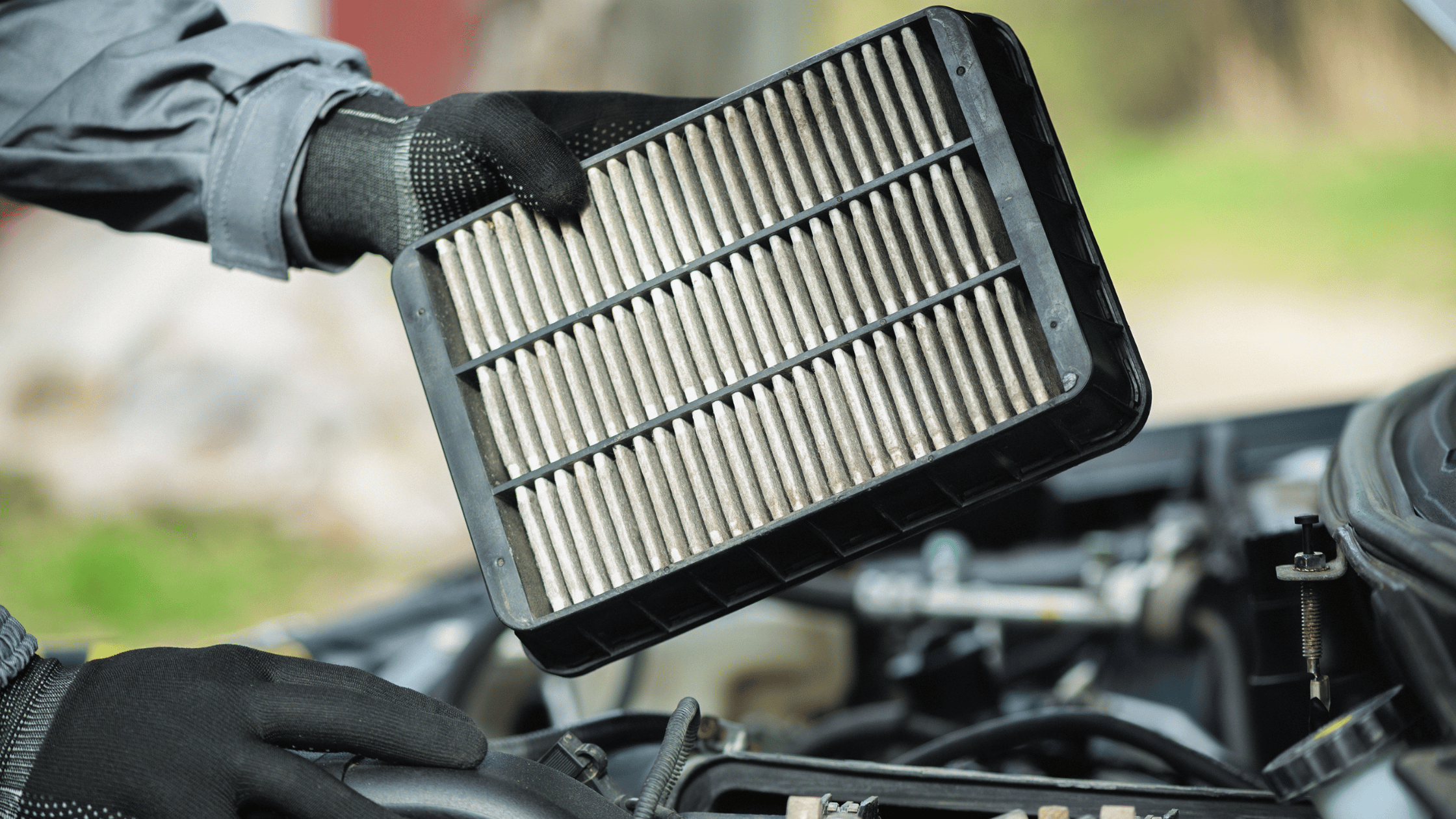
- Pre-Filters: These catch larger particles (like hair or lint) before they reach the main filter, extending its life.
- UV-C Light or Ionizers: Some models offer extra features like germicidal light or ionizing, but they’re optional and may not be necessary for basic use.
Best Combo: A unit that offers HEPA + Activated Carbon is ideal for most one-person spaces.
3. Noise Level
Since you’re likely to use the purifier in a bedroom or workspace, look for models that operate under 30 decibels (dB) on low settings. Most manufacturers include decibel ratings in the product specs.
Look For:
- “Whisper-quiet” or “sleep mode” settings
- Fan-speed controls for noise adjustment
- Auto-off timers to prevent unnecessary operation during sleep
4. Size and Design
When space is limited, the size and look of your air purifier matter. Look for models that:
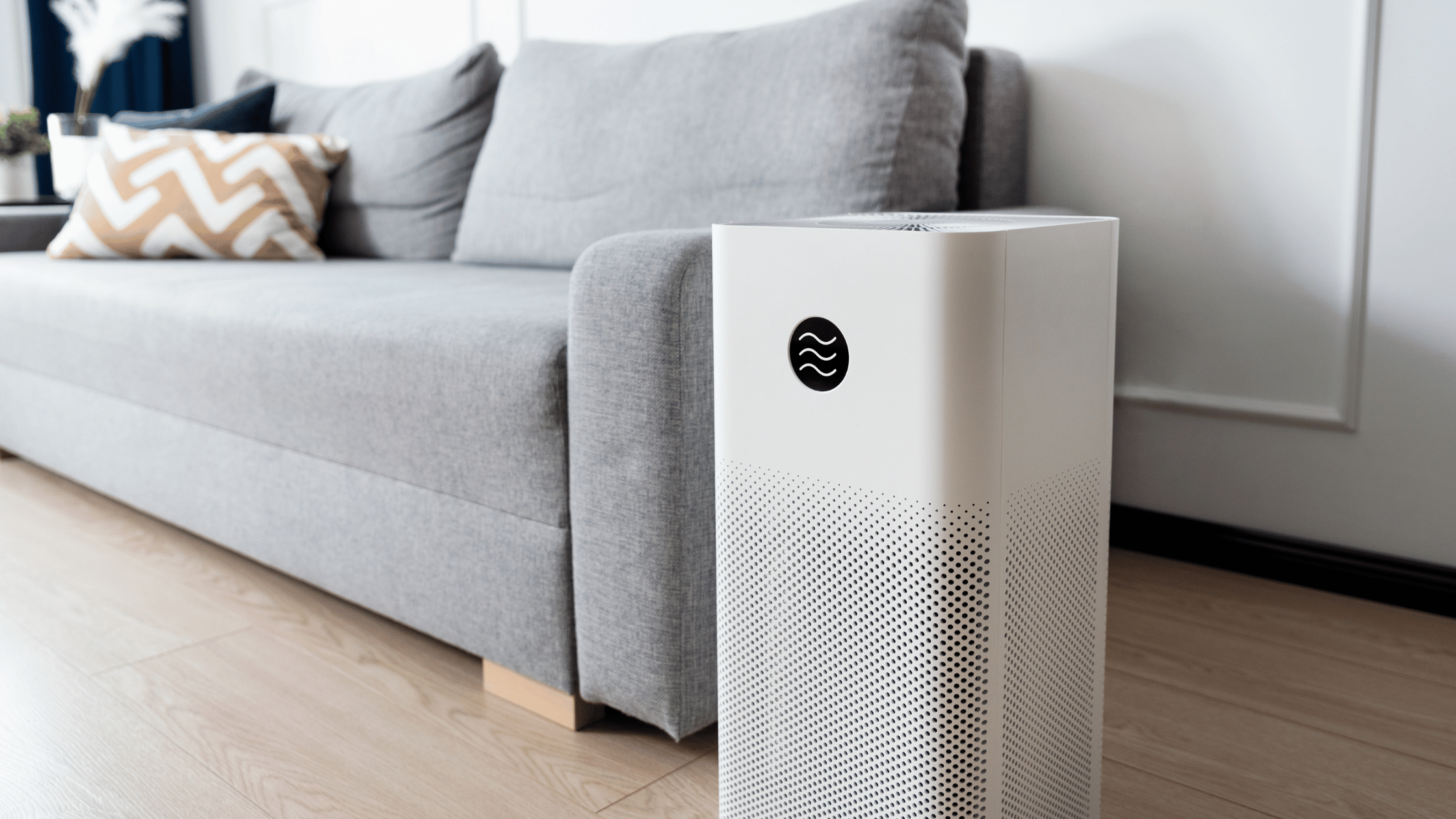
- Fit on a nightstand, shelf, or corner of a desk
- Have a vertical or slim profile
- Match your interior style, especially if the device will always be visible
Some purifiers double as décor, with minimalist designs, wood accents, or neutral tones that blend easily into any room.
5. Ease of Use and Maintenance
Small-space living is all about convenience, so choose a purifier that’s easy to operate and maintain:
- Touch panel or one-button control
- Filter replacement reminders
- Washable or long-lasting filters (some last up to 6–12 months)
- Auto mode or air quality sensors for hands-off operation
Additional Features Worth Considering
While not essential, these bonus features can enhance your purifier’s value and functionality:
✔️ Smart App Integration
If you like to control devices from your phone, look for purifiers that connect via Wi-Fi and work with smart assistants like Alexa or Google Assistant.
✔️ Portability
Some small purifiers are designed for travel or multiple-room use, with built-in handles or lightweight bodies that are easy to move from your desk to your nightstand.
✔️ Energy Efficiency
Look for Energy Star certified models if you plan to keep your purifier running all day or night.
Recommended Models for One-Person Spaces
To help narrow your choices, here are some well-reviewed small air purifiers perfect for individual use:
1. Levoit Core Mini Air Purifier
- Coverage: Up to 178 sq. ft.
- Filters: HEPA + Activated Carbon
- Noise Level: ~25 dB on low
- Highlights: Aromatherapy pad for adding essential oils, ultra-quiet, perfect for bedrooms
2. Blueair Blue Pure 411
- Coverage: Up to 161 sq. ft.
- Filters: Particle + Carbon combo
- Noise Level: 17–46 dB
- Highlights: Stylish fabric exterior, energy efficient, and excellent for smoke and allergens
3. MI Xiaomi Smart Air Purifier Mini
- Coverage: Up to 200 sq. ft.
- Filters: HEPA + Carbon
- Noise Level: 19–35 dB
- Highlights: Wi-Fi connectivity, real-time air quality monitor, compact design
4. Coway Airmega AP-0512NH
- Coverage: Up to 246 sq. ft.
- Filters: HEPA + Deodorization
- Noise Level: 20–45 dB
- Highlights: Modern design, multiple fan speeds, high CADR for size
Common Mistakes to Avoid
Even in a small space, it’s possible to choose the wrong purifier. Here are some pitfalls to avoid:
- Ignoring the filter type – Don’t assume all purifiers clean the same types of particles.
- Overlooking noise level – Some cheaper units can sound like a fan on high all night.
- Buying oversized models – Bigger isn’t always better. It could waste energy or dominate your space.
- Not replacing filters – Dirty filters reduce performance and may worsen air quality.
Conclusion
Choosing the best small air purifier for a one-person space doesn’t have to be complicated. Focus on the features that matter most—size, filtration, noise, and ease of use—and you’ll find a model that perfectly suits your lifestyle.
Whether you live in a studio apartment, work from home in a compact office, or want cleaner air while you sleep, a thoughtfully selected air purifier can make a big difference in your comfort and health. And thanks to today’s technology, you don’t need a big budget or big device to enjoy clean, breathable air in your personal space.