

Introduction
In today’s world, where climate change and environmental impact are at the forefront of global concerns, every industry is being challenged to become more sustainable—including agriculture. One area often overlooked but ripe for innovation is fruit packaging. Traditional fruit boxes made from plastic or foam have long contributed to waste and pollution. Enter eco-friendly fruit boxes—a sustainable solution transforming how fruits are packed, shipped, and sold.
Eco-friendly fruit boxes are more than a trend. They are a response to both consumer demand for greener products and the agricultural industry’s push toward environmental responsibility. In this article, we explore what eco-friendly fruit boxes are, why they matter, the materials behind them, and how they’re shaping the future of farming and produce distribution.
What Are Eco-Friendly Fruit Boxes?
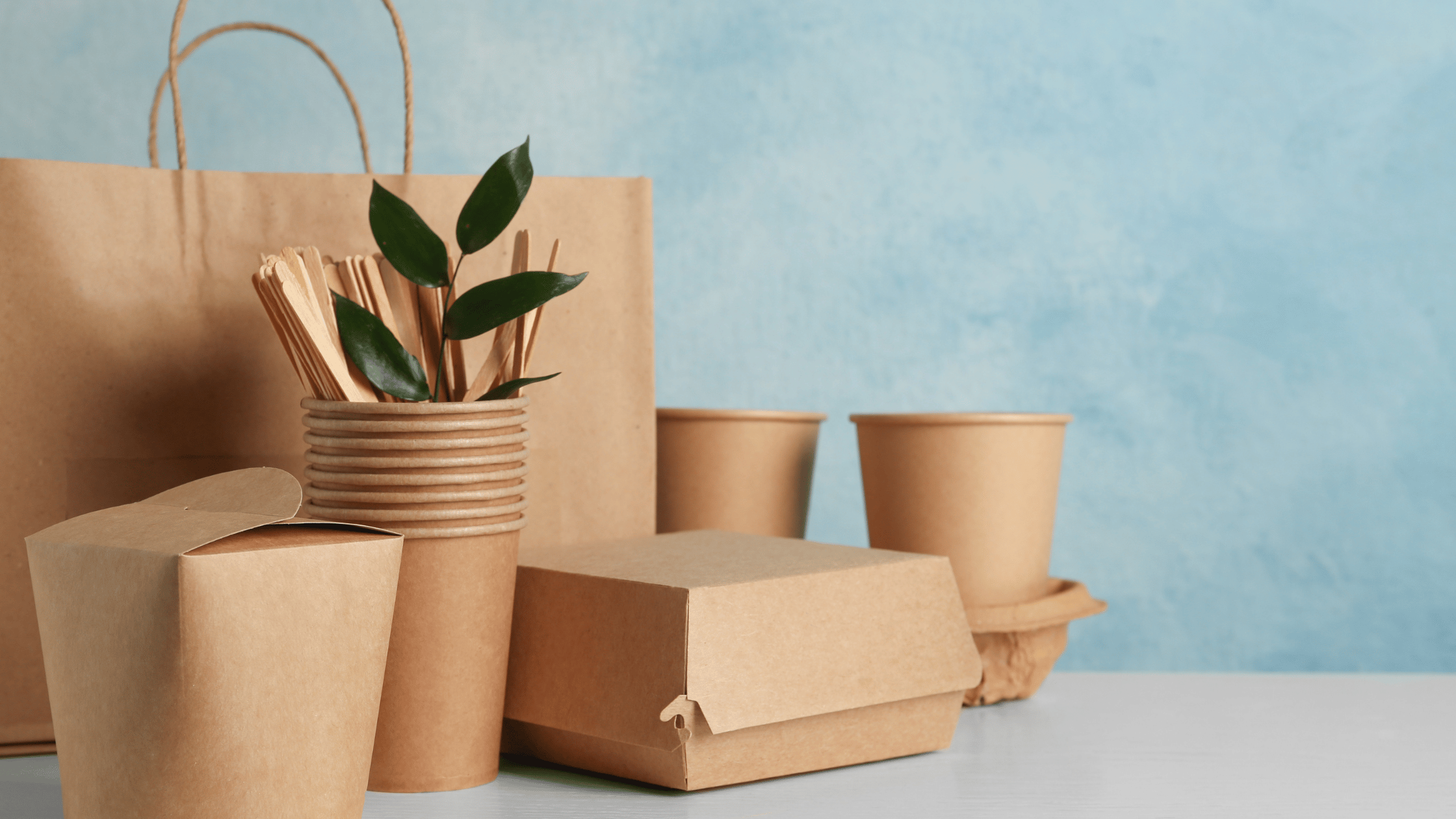
Eco-friendly fruit boxes are packaging solutions designed with minimal environmental impact. Unlike conventional plastic crates or Styrofoam containers, these boxes are typically made from biodegradable, recyclable, or compostable materials. They are engineered to protect fruit during transport and display—while reducing the environmental footprint associated with traditional packaging.
Key Features of Eco-Friendly Fruit Boxes:
- Biodegradable or compostable materials
- Recyclable and reusable structures
- Minimal use of plastics
- Made from renewable resources such as paper pulp, bamboo, or cornstarch
- Custom-designed for airflow, protection, and branding
These boxes not only meet practical needs like durability and moisture resistance but also address broader goals of sustainability and waste reduction.
Why the Agricultural Industry Is Shifting Toward Sustainable Packaging
Agriculture is evolving rapidly. Modern farms and fruit exporters are now judged not only on product quality but also on how eco-conscious their practices are. Here are several reasons why eco-friendly packaging is gaining ground:
1. Environmental Responsibility
The global packaging industry is a major contributor to waste. A large portion of it ends up in landfills or polluting oceans. By switching to eco-friendly fruit boxes, farms can reduce their carbon footprint, conserve natural resources, and help mitigate climate impact.
2. Consumer Demand
Today’s consumers are increasingly eco-aware. Shoppers look for produce packaged in environmentally responsible ways. Sustainable packaging adds value, enhances brand image, and even influences purchasing decisions—especially among Millennials and Gen Z buyers.
3. Compliance With Regulations
Many countries and regions are banning or heavily taxing single-use plastics. For exporters, especially those shipping to Europe, the U.S., or environmentally strict markets, switching to eco-packaging is no longer optional—it’s essential.
4. Supply Chain Efficiency
Modern eco-boxes are often lighter and stack better, reducing transportation costs and energy usage. Some are designed to maintain fruit freshness better, minimizing waste due to spoilage.
Types of Materials Used in Eco-Friendly Fruit Boxes
The strength of eco-friendly packaging lies in innovation. Today, a variety of sustainable materials are used to construct fruit boxes that are both durable and planet-friendly:
1. Recycled Cardboard and Paper Pulp
These are among the most common materials. Strong, lightweight, and easy to print on for branding, recycled cardboard boxes are biodegradable and widely accepted for recycling.
2. Moulded Fibre or Paper Pulp
Often used for trays inside the boxes, moulded fibre is shock-absorbent and breathable—ideal for delicate fruits like apples, peaches, and strawberries.
3. Bioplastics (PLA, PHA)
Made from renewable resources like corn starch, bioplastics are compostable alternatives to petroleum-based plastics. Some fruit boxes now feature PLA linings for moisture resistance.
4. Bamboo and Bagasse (Sugarcane Waste)
Fast-growing and renewable, bamboo and sugarcane fiber offer strength and biodegradability. These materials are popular for premium fruit packaging, especially for direct-to-consumer models.
5. Recyclable Corrugated Board with Water-Based Inks
Perfect for custom printed boxes, corrugated boards provide excellent protection while remaining fully recyclable and less harmful during decomposition.
Advantages for Modern Agricultural Businesses
Eco-friendly fruit boxes provide a wide range of benefits that go beyond environmental perks. Here’s why smart farming businesses are making the switch:
1. Brand Differentiation
Green packaging helps agricultural brands stand out in crowded markets. Exporters and farms using sustainable materials can command higher trust and loyalty from eco-conscious consumers and retailers.
2. Cost-Effectiveness Over Time
Although some eco-materials may have a higher upfront cost, they often pay off by reducing waste disposal fees, minimizing damaged goods during transport, and qualifying for eco-incentives.
3. Improved Shelf Appeal
Attractive, biodegradable boxes enhance visual merchandising, particularly in farmer’s markets, organic grocery stores, or eco-themed food outlets.
4. Retailer and Exporter Preference
Many supermarket chains and international buyers now require sustainable packaging. Having compliant packaging ensures smoother supply chain partnerships and broader market access.
5. Supports CSR and ESG Goals
For agri-businesses aiming to strengthen their Corporate Social Responsibility (CSR) or Environmental, Social, and Governance (ESG) profiles, eco-packaging is a powerful, visible initiative.
Case Studies: How Eco-Friendly Boxes Are Already Making a Difference
Case Study 1: Thai Mango Exporter
A mango exporter in Chachoengsao began using sugarcane pulp trays and corrugated paper boxes to meet EU sustainability regulations. Not only did the switch reduce packaging weight by 20%, but buyers in Germany praised the eco-friendly presentation, leading to higher reorder rates.
Case Study 2: Japanese Strawberry Brand
A Japanese greenhouse strawberry brand replaced plastic clamshells with clear biodegradable boxes made from PLA. The unique box design became part of their premium branding and doubled their sales in urban organic markets.
Challenges and Considerations
Despite their many benefits, eco-friendly fruit boxes do come with challenges that producers must address:
1. Moisture Resistance
Biodegradable materials like paper pulp may degrade when exposed to moisture. Coatings or hybrid materials are often used but must be certified compostable.
2. Initial Cost
Some sustainable packaging solutions can be more expensive upfront than traditional plastic alternatives—especially for small farms with tight margins.
3. Availability and Customization
Not all packaging manufacturers offer eco-friendly options locally, and custom designs may require longer lead times or higher minimum orders.
4. Education
Farmers and packaging teams must be educated on how to store, handle, and dispose of eco-boxes properly to avoid premature damage or misuse.
Conclusion
As sustainability moves from a buzzword to a business imperative, eco-friendly fruit boxes are positioning themselves as the future of agricultural packaging. They represent not only a shift in materials but a shift in mindset—toward protecting the planet while still delivering quality produce.
For modern agricultural businesses, investing in green packaging isn’t just an ethical choice—it’s a strategic one. By adopting eco-friendly fruit boxes, farms can enhance their brand, meet global standards, and appeal to a growing base of environmentally-conscious consumers.